Confidence Is Learnable
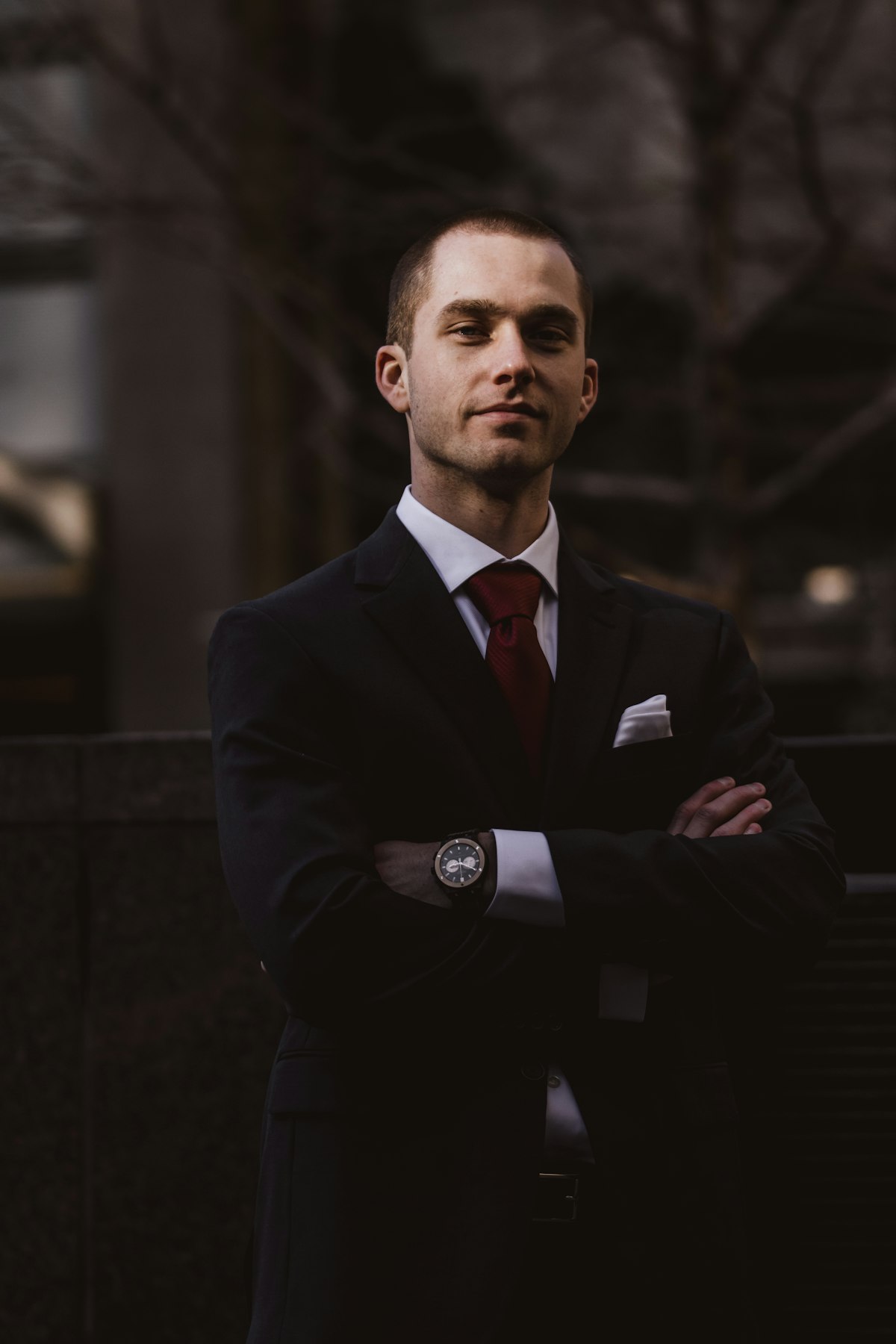
The difference between a good headshot and a genuinely powerful one almost always comes down to a single quality: projected confidence. Viewers sense it immediately, even when they can't articulate exactly why one photo feels more compelling than another. The excellent news is that projecting confidence in photos is a learned skill — not an innate trait — and deliberate preparation makes a measurable difference.
Posture: The Foundation
Posture is the most immediately controllable variable in professional photography. Before any shot:
- Stand or sit tall — elongate your spine
- Pull shoulders back and slightly down (not hunched forward)
- Lean very slightly toward the camera — it reads as engaged, not aggressive
- Keep your chin level or fractionally forward — it defines the jawline and prevents the "looking up" effect
Expression: Natural Beats Perfect
For expression, a genuine, relaxed smile is almost always the right choice — it communicates both competence and approachability, a combination that is powerful in every industry.
To achieve a natural smile, think of something that genuinely makes you happy just before the shot. The difference between a real Duchenne smile and a posed one is small but instantly perceptible to every viewer.
Two additional tips that work consistently:
- Slightly squint your eyes — gives a warm, engaged look that photographs beautifully
- Angle your body slightly — facing the camera head-on can look stiff; a subtle turn is more dynamic and flattering
Preparation Techniques That Work
Tension in the body always shows up in the face. Before your session:
- Shake out your hands and roll your shoulders
- Take three slow, deep breaths
- Think of a person you feel completely at ease with — and hold that feeling as you look at the camera
Frequently Asked Questions
What's the most common mistake people make in professional photos?
Over-posing. When people know a camera is on them, they tend to stiffen and force a smile that doesn't reach their eyes. The solution: look slightly away for a moment, take a breath, then look back. That natural re-engagement produces a much more genuine expression than holding a pose. With SnaptoPro, submitting multiple natural, relaxed photos lets the AI select the best expressions for you.
Should I look directly into the camera or slightly away?
For professional headshots, direct eye contact is generally the strongest choice — it projects confidence, engagement, and directness. Imagine the camera is a person you respect and want to make a strong first impression on. Engage with that imaginary person, and your expression will calibrate naturally.
Does a smile always work, or are neutral expressions better in some industries?
In most industries — tech, marketing, healthcare, entrepreneurship — a warm smile is strongly preferred. In authority-driven fields like law or executive leadership, a composed neutral expression can project gravitas effectively. The key is avoiding a forced neutral, which reads as cold. When in doubt, a natural moderate smile is the safest and most broadly effective choice.